Get Roof Flashing Installation in San Francisco, CA
Roof flashing installation services address leaks and water intrusion around chimneys, vents, and roof joints for properties in San Francisco, CA, and nearby areas.
Roof flashing installation services are essential for maintaining the integrity of a property’s roofing system, especially in a city like San Francisco where weather conditions can vary. Properly installed flashing helps prevent water intrusion around vulnerable areas such as chimneys, vents, and roof joints, reducing the risk of leaks and water damage. Property owners often seek these services to enhance the durability of their roofs, ensuring they remain functional and protected against the elements for years to come.
In addition to safeguarding the structure, roof flashing installation can improve curb appeal and overall property value. Well-installed flashing contributes to a cleaner, more polished roofline, which can boost aesthetic appeal. Many property owners also consider this work for its potential to lower ongoing maintenance needs by preventing issues that require costly repairs later. Engaging experienced local professionals can help ensure the work is performed correctly, providing lasting benefits in safety, functionality, and visual appeal.
- Roof Flashing Installation - needed when installing new roofing to ensure proper waterproofing around chimneys and vents.
- Roof Flashing Installation - required during roof repairs where existing flashing has deteriorated or failed.
- Roof Flashing Installation - essential for sealing roof penetrations in residential and commercial buildings in areas like San Francisco, CA.
- Roof Flashing Installation - necessary when upgrading or replacing roofing materials to maintain roof integrity.
- Roof Flashing Installation - advised for new construction projects to prevent water intrusion at roof joints and edges.
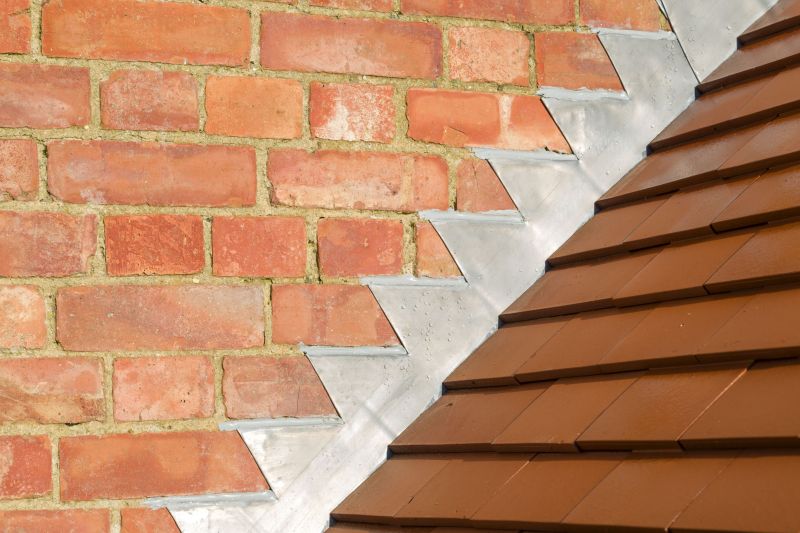
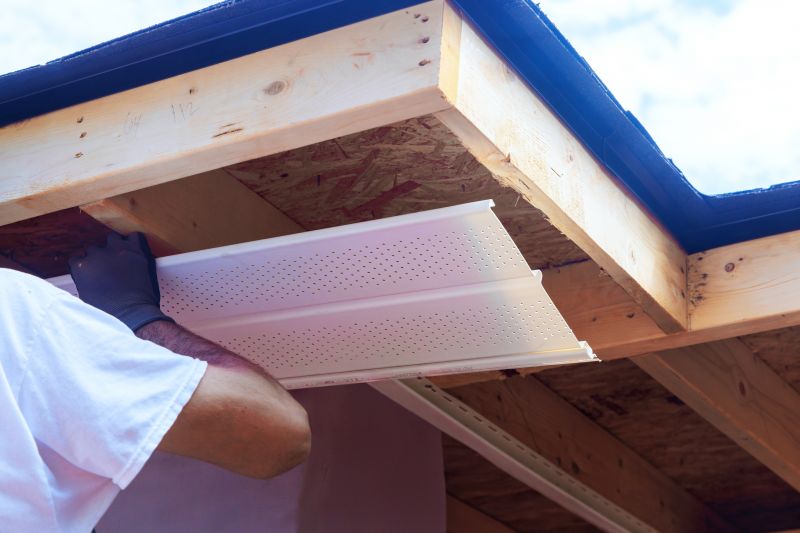
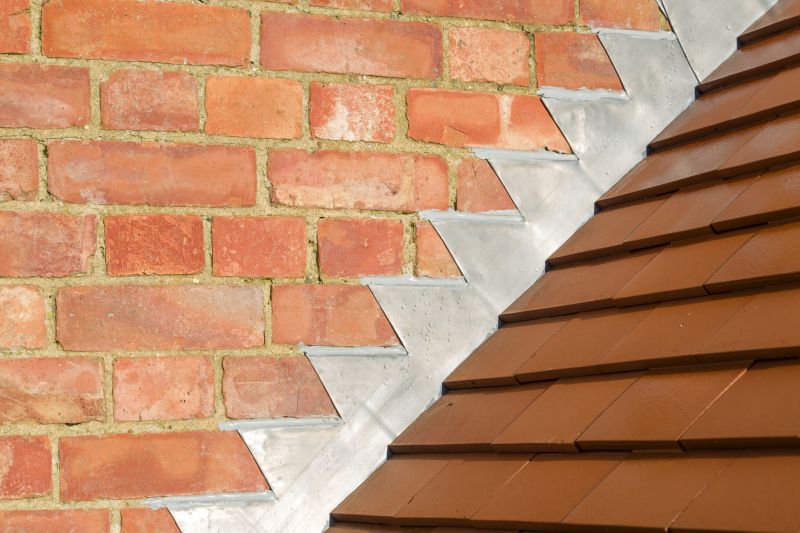
Roof flashing installation services involve the placement of durable metal or synthetic strips around key areas of a roof, such as chimneys, vents, skylights, and roof edges. These strips serve as a protective barrier, directing water away from vulnerable joints and seams to prevent leaks. Proper installation ensures that these critical points are sealed effectively, maintaining the roof’s integrity and preventing water infiltration that could lead to structural damage or mold growth over time.
One of the primary issues roof flashing installation addresses is water intrusion caused by improper sealing or damaged flashing. Over time, exposure to weather elements can cause flashing materials to corrode, crack, or become dislodged, creating entry points for water. Installing new or replacing existing flashing helps mitigate these problems by providing a continuous, watertight barrier that adapts to the roof’s contours. This service is essential for maintaining the roof’s durability and protecting the interior of the property from water-related damage.
Properties that typically require roof flashing installation include residential homes, commercial buildings, and multi-family complexes. Residential properties with complex roof designs often need flashing around chimneys, dormers, and vents to prevent leaks. Commercial structures, especially those with flat or low-slope roofs, benefit from specialized flashing to seal joints and seams. Additionally, historic or older buildings may need flashing upgrades to address deterioration and ensure continued protection against water intrusion.
Professional roof flashing installation services are available for a variety of property types, offering a range of materials and techniques suited to specific needs. Experienced contractors assess the existing roof conditions, identify potential problem areas, and recommend appropriate flashing solutions to enhance waterproofing. Contacting local service providers ensures that properties receive expert attention to safeguard their roofs against water damage, helping to preserve the structural integrity and longevity of the building.
The overview below groups typical Roof Flashing Installation projects into broad ranges so you can see how smaller, mid-sized, and larger jobs often compare in San Francisco, CA.
In many markets, a large share of routine jobs stays in the lower and middle ranges, while only a smaller percentage of projects moves into the highest bands when the work is more complex or site conditions are harder than average.
Material Costs - The cost of roof flashing materials typically ranges from $5 to $15 per linear foot, depending on the type used, such as aluminum or copper. For an average roof, material expenses can total between $200 and $600. Costs vary based on material choice and roof size.
Labor Expenses - Installation labor generally costs between $50 and $100 per hour, with total labor costs for a standard project falling between $300 and $1,200. The complexity of the roof and accessibility influence overall labor charges. Larger or more intricate roofs may increase labor costs.
Project Size & Scope - Small repairs or upgrades might cost around $150 to $400, while full flashing replacements for larger roofs can reach $1,500 or more. The extent of flashing needed directly impacts the total project cost. Local pros provide estimates based on specific roof dimensions and conditions.
Additional Costs - Extra expenses such as removal of old flashing or repairing underlying roof structures can add $100 to $500 to the overall price. These costs depend on the existing roof condition and the scope of prep work required. Contact local contractors for detailed cost assessments.
Actual totals will depend on details like access to the work area, the scope of the project, and the materials selected, so use these as general starting points rather than exact figures.
Roof Flashing Installation services involve installing metal strips to seal joints and prevent water intrusion around roof features such as chimneys, vents, and skylights. Local contractors can assess and properly install flashing to protect the roof structure from leaks.
Chimney Flashing installation focuses on sealing the area where the chimney meets the roof to prevent water penetration, which is essential for maintaining the integrity of the chimney and roof system.
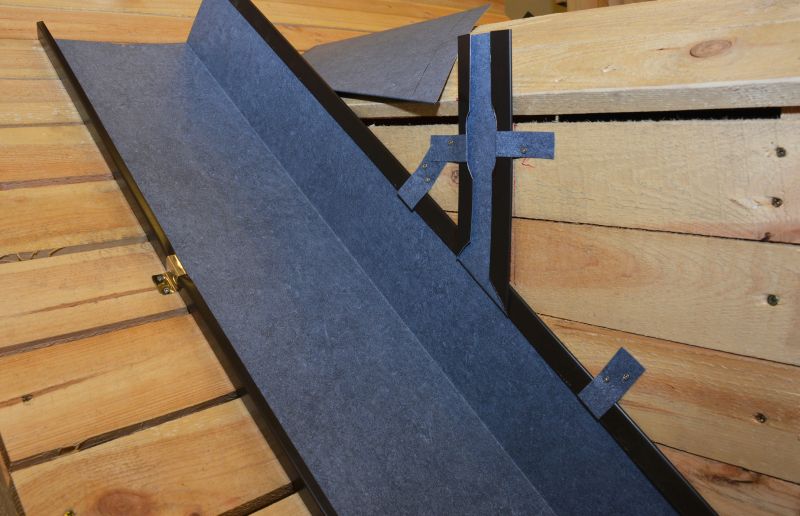
Valley Flashing services include installing metal flashing in roof valleys to direct water away from the roof surface, reducing the risk of leaks and water damage in these vulnerable areas.
Vent Pipe Flashing installation involves sealing around vent pipes to prevent water from seeping into the roof through openings, ensuring a watertight seal around roof penetrations.
Skylight Flashing services ensure proper sealing around skylights to prevent water leaks and maintain the roof’s weather resistance in areas with skylight installations.
Roof Edge Flashing installation helps protect roof edges and eaves from water infiltration, contributing to the overall durability and longevity of the roofing system.
When selecting a contractor for roof flashing installation, it’s important to consider their experience in handling similar projects. Homeowners should inquire about how long a local professional has been performing roof flashing work and whether they have a proven track record of successful installations. Reputable contractors often have a portfolio of completed projects and can provide references from previous clients, which can help verify their expertise and reliability. Clear communication about the scope of work, materials used, and project expectations is also essential to ensure that both parties are aligned and that the project proceeds smoothly.
Written expectations are a key component when comparing local roof flashing specialists. Homeowners should seek detailed proposals that outline the scope of work, types of materials to be used, and any warranties offered. A comprehensive written estimate helps prevent misunderstandings and sets a clear foundation for the project. Reputable service providers tend to be transparent about their processes and can provide documentation that clarifies what is included and what might be additional. This clarity supports informed decision-making and helps ensure the project aligns with the homeowner’s needs.
Effective communication is vital in selecting a local roofing professional for flashing installation. Homeowners should observe how promptly and clearly contractors respond to inquiries and whether they are willing to answer questions thoroughly. Good communication fosters trust and helps address any concerns early in the process. Reputable providers are typically accessible and transparent, making it easier for homeowners to stay informed about project progress and any potential issues. Since this is a connection platform, it’s important to remember that the site introduces local options and does not perform the work directly.
Property owners in San Francisco, CA use Roof Flashing Installation services for practical projects around their homes and businesses. The sections below highlight everyday jobs and straightforward project options.
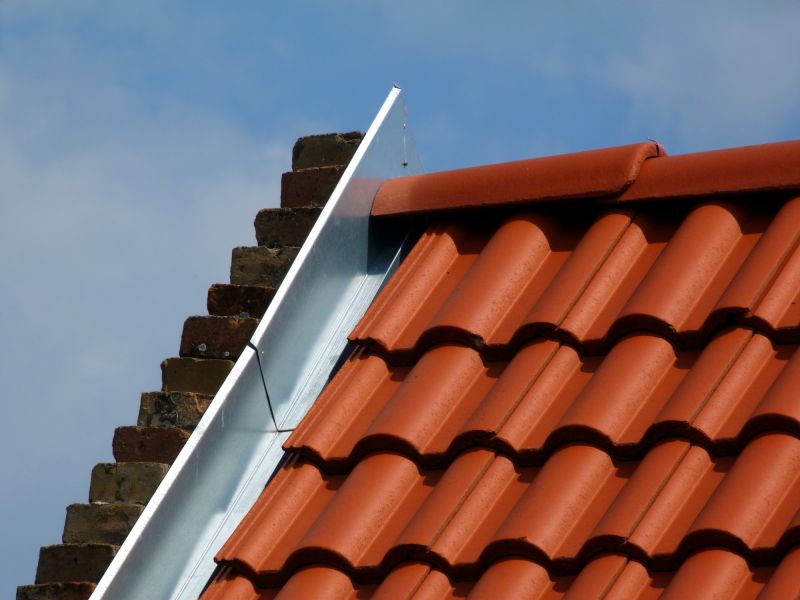
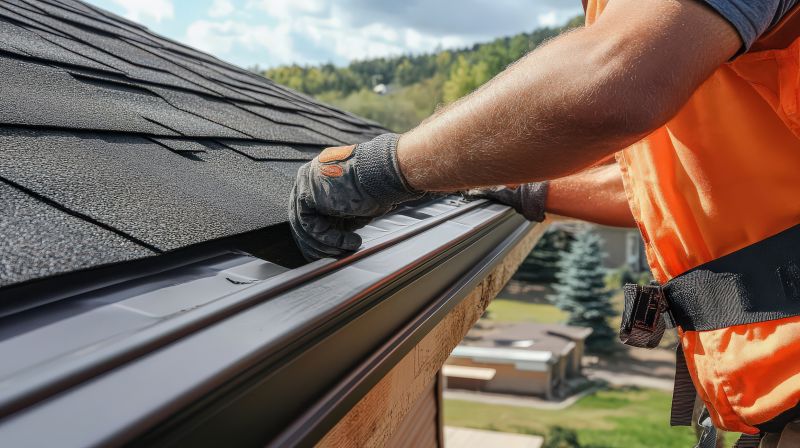
Roof flashing installation services are commonly sought after by property owners in San Francisco, CA, who notice leaks or water intrusion around roof joints, chimneys, or vents. Over time, exposure to the region’s weather conditions can cause existing flashing to wear or become damaged, increasing the risk of water damage inside the building. Local service providers can help ensure that flashing is properly installed or replaced to maintain the roof’s integrity and prevent costly repairs.
Additionally, homeowners and property managers in San Francisco may look for flashing installation when constructing new roofs or making significant renovations. Properly installed flashing helps redirect water away from vulnerable areas, protecting the structure from moisture-related issues. Engaging experienced local contractors can help ensure that flashing is correctly integrated with roofing materials, supporting the longevity and performance of the roof system.
What is roof flashing? Roof flashing is a material installed around roof features like chimneys, vents, and valleys to prevent water penetration and direct it away from the structure.
Why is proper flashing installation important? Proper installation helps protect the roof and underlying structures from water damage, leaks, and mold growth.
How long does roof flashing typically last? The lifespan of roof flashing varies depending on materials and climate, but it generally lasts between 20 to 30 years with proper maintenance.
What materials are used for roof flashing? Common materials include aluminum, copper, galvanized steel, and lead, each offering different durability and aesthetic options.
How can I find local roof flashing installation services? Contacting local roofing contractors or service providers can connect you with professionals experienced in roof flashing installation in your area.
Roof Flashing Installation - Professional roof flashing installation helps prevent water intrusion around roof features and improves overall roof durability.
Choosing the Right Flashing Materials - Local service providers can recommend suitable flashing materials that match the roof type and climate conditions.
Expert Flashing Repair Services - Skilled contractors offer repair solutions to address damaged or deteriorated flashing, ensuring continued protection.
Scheduling a Consultation - Contact local pros to discuss your roof flashing needs and receive tailored installation or repair options.
Considering Roof Flashing Installation for a property in San Francisco, CA? The sections above highlight common project types, practical options, and details that often shape the scope of work.
When you are ready, use the quote form to share a few details about your project. Local pros can review the basics and respond with options that match what you have in mind.